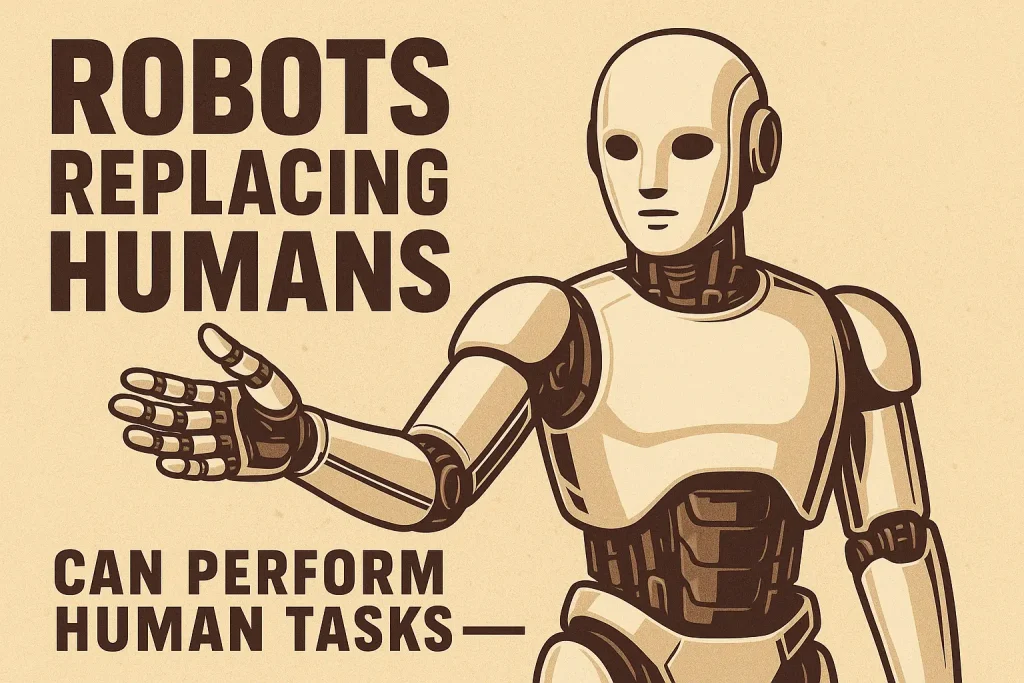
 European Countries Leading the Way in Replacing Human Labor with Robots in Daily Life
In recent years, the integration of robotics and automation into everyday life has grown significantly across the globe. Among the frontrunners in this technological revolution are several advanced European nations. Countries like Germany, Sweden, the Netherlands, and France have been implementing robotic systems not only in industrial sectors but also in daily human tasks. This shift is driven by various factors, including labor shortages, aging populations, increased efficiency, and the pursuit of innovation.
Germany: The Industrial Powerhouse Leading in Automation
Germany is Europe’s largest economy and a global leader in engineering and manufacturing. The country has long embraced automation, especially in its automotive and industrial sectors. Companies like BMW, Volkswagen, and Siemens rely heavily on robotic systems to assemble vehicles, manage supply chains, and perform quality control.
However, Germany’s use of robots is not limited to factories. In hospitals, robots are increasingly used to deliver medications, disinfect rooms using UV light, and assist in elderly care. One notable example is the “Care-O-bot,” a mobile service robot developed by the Fraunhofer Institute, designed to help elderly people with daily tasks such as fetching objects and reminding them to take their medication.
Additionally, Germany’s investment in AI and robotics research continues to expand, with government support encouraging the integration of robots in more aspects of everyday life—from customer service bots in airports and train stations to robotic assistants in homes.
Sweden: Smart Homes and Robotic Healthcare
Sweden is known for its tech-savvy population and strong commitment to social welfare. These factors make it an ideal environment for the adoption of robotics. In Swedish homes, smart assistants and robotic vacuum cleaners have become common. More advanced domestic robots are also being used to assist the elderly and individuals with disabilities.
In healthcare, Sweden is investing in robotic solutions to support a growing elderly population. The “GiraffPlus” project, partly funded by the European Union, integrates sensors and a telepresence robot to help older adults live independently at home while staying connected to healthcare providers. The system monitors vital signs and provides video communication between patients and doctors or caregivers.
Moreover, Swedish hospitals are testing robotic nurses capable of transporting supplies and guiding patients to the correct departments. These robots are particularly helpful in reducing the workload of healthcare staff and minimizing human contact during infectious disease outbreaks.
The Netherlands: Agricultural Robotics and Smart Cities
The Netherlands, despite its small size, is one of the world’s most technologically advanced agricultural nations. Dutch farms are increasingly using robotics for planting, harvesting, and packaging produce. Robots such as the “Agrobot” and “Octinion” strawberry picker are revolutionizing farming by improving yield and reducing reliance on seasonal human labor.
Outside of agriculture, the Dutch are also investing in robotics for urban living. In the city of Amsterdam, delivery robots and autonomous cleaning machines are being tested in public areas. The Netherlands is also known for its development of smart city technologies, where robots and AI help manage traffic flow, energy consumption, and public safety.
Robotic baristas and servers are also becoming more common in Dutch cafes, especially in response to labor shortages in the hospitality industry.
France: Robotic Assistants and Industrial Transformation
France has a strong tradition in robotics research, supported by its national strategy for AI and automation. The country is actively integrating robots into daily life through both private enterprise and public initiatives.
One of the most famous French robots is “Pepper,” a humanoid robot developed by SoftBank Robotics Europe. Pepper has been used in banks, airports, and even in homes to greet guests, provide information, and offer companionship.
In addition, the French government has invested in robots for public services. Municipalities have deployed robotic street sweepers and garbage collectors in several cities to improve cleanliness and efficiency.
In the retail sector, robots assist in inventory management, restocking shelves, and helping customers find products. French supermarkets are also experimenting with autonomous shopping carts that follow customers as they shop, enhancing convenience and reducing the need for staff.
The Future of Robots in European Daily Life
While robots are becoming increasingly common in Europe, their integration into daily life raises questions about the future of work, privacy, and ethical use of technology. Governments across the continent are developing regulations to address these concerns, ensuring that robotic adoption benefits society as a whole.
European nations are also collaborating through the EU’s Horizon Europe program, which funds robotics innovation aimed at improving quality of life and economic competitiveness. As technology continues to advance, it is expected that robots will play an even greater role in homes, workplaces, and public services across Europe.
Conclusion
Countries like Germany, Sweden, the Netherlands, and France are leading the way in incorporating robotics into daily life. From elderly care and healthcare to agriculture and public services, these nations are demonstrating how robots can complement human labor and improve overall efficiency. While challenges remain, Europe’s approach to integrating robotics with thoughtful policy and innovation serves as a model for the rest of the world.